

Tulsa Plumbing Blog
Expert Plumbing Tips, Guides, and Articles from Big C’s Plumbing Services
Plumbing Blog Articles Written from the South Tulsa Job Site
Big C’s plumbing blog is built from job experience, not search engine templates. Since 1996, Chris Ogan and his crew have located hidden slab leaks caused by Oklahoma’s clay soil shifting beneath Bixby and Broken Arrow foundations, found water losses behind walls that two previous licensed plumbers could not locate, performed hydrostatic pressure tests on drain systems before and after foundation companies piered south Tulsa homes, and replaced water heaters in Jenks and Coweta properties where local hard water had shortened the tank’s lifespan by years.
Every topic covered in this plumbing blog traces back to a real call from a real homeowner somewhere in this corridor. That is what separates these plumbing articles from the generic content that shows up everywhere online and applies to nobody in this area in particular.
Browse our growing collection of plumbing tips and articles covering the specific challenges Tulsa area homes present. Oklahoma is not an average plumbing market. The clay soil moves seasonally. Winters can freeze exposed pipes fast. The water mineral content here affects water heater longevity differently than national maintenance guides account for. And the slab construction common across Bixby, Broken Arrow, and south Tulsa means plumbing failures often develop underground and invisibly, until a water bill spikes or a floor feels warm.
This plumbing blog exists to help south Tulsa homeowners recognize those signs early, understand their options clearly, and make the right call before a manageable problem becomes an expensive repair. Browse the Big C’s plumbing blog using the articles below and bookmark
this page for new posts added regularly.

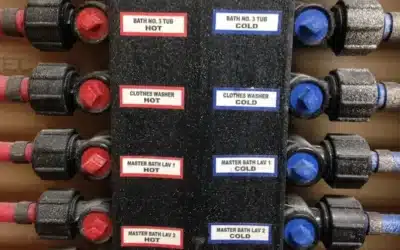
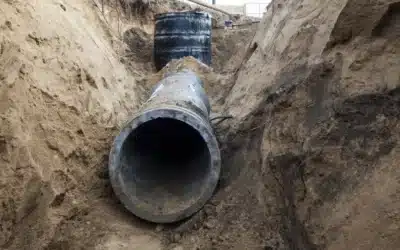



What This Plumbing Blog Covers and Why It Matters for Tulsa Homeowners
This plumbing blog goes deeper than basic maintenance checklists. The plumbing articles here address the specific conditions that make south Tulsa homes different from anywhere else. Oklahoma’s expansive clay soil is the starting point for understanding why slab leaks are not rare events in this market.
They are a predictable consequence of soil that expands with moisture and contracts in dry heat, cycling repeatedly beneath concrete foundations across Bixby, Broken Arrow, Jenks, and Tulsa proper. That same soil movement is why hydrostatic pressure testing is legally required before and after a foundation repair company performs piering work in Oklahoma. And it is why leak detection in this area demands the XLT-20 acoustic equipment Chris Ogan uses on every detection job, because the leaks are not visible and the standard approaches that work in other markets simply do not locate them reliably here.
Plumbing articles and tips in this blog cover:
- Why Oklahoma clay soil is the root cause behind most south Tulsa slab leaks and buried pipe failures
- How to read the early warning signs of a hidden water leak before your bill spikes or your floor shifts
- Water heater lifespan in the Tulsa area and why local water chemistry changes the math on repair versus replacement
- What hydrostatic pressure testing is, who performs it in Oklahoma, and when the law requires it
- Drain cleaning versus rooter service versus sewer camera inspection and which one your situation actually needs
- Commercial plumbing differences and why the same symptoms can point to entirely different problems in a business versus a home
Each plumbing article in this blog gives you the honest version of what is happening, what caused it, and what fixing it actually involves in a south Tulsa home. No recommending the most expensive repair when a simpler one holds. No telling you to call a plumber for something you can handle yourself without risk. The plumbing tips here reflect the same straight approach Chris Ogan has brought to south Tulsa jobs since 1996. Accurate information so you can make a confident decision, whatever that decision turns out to be.
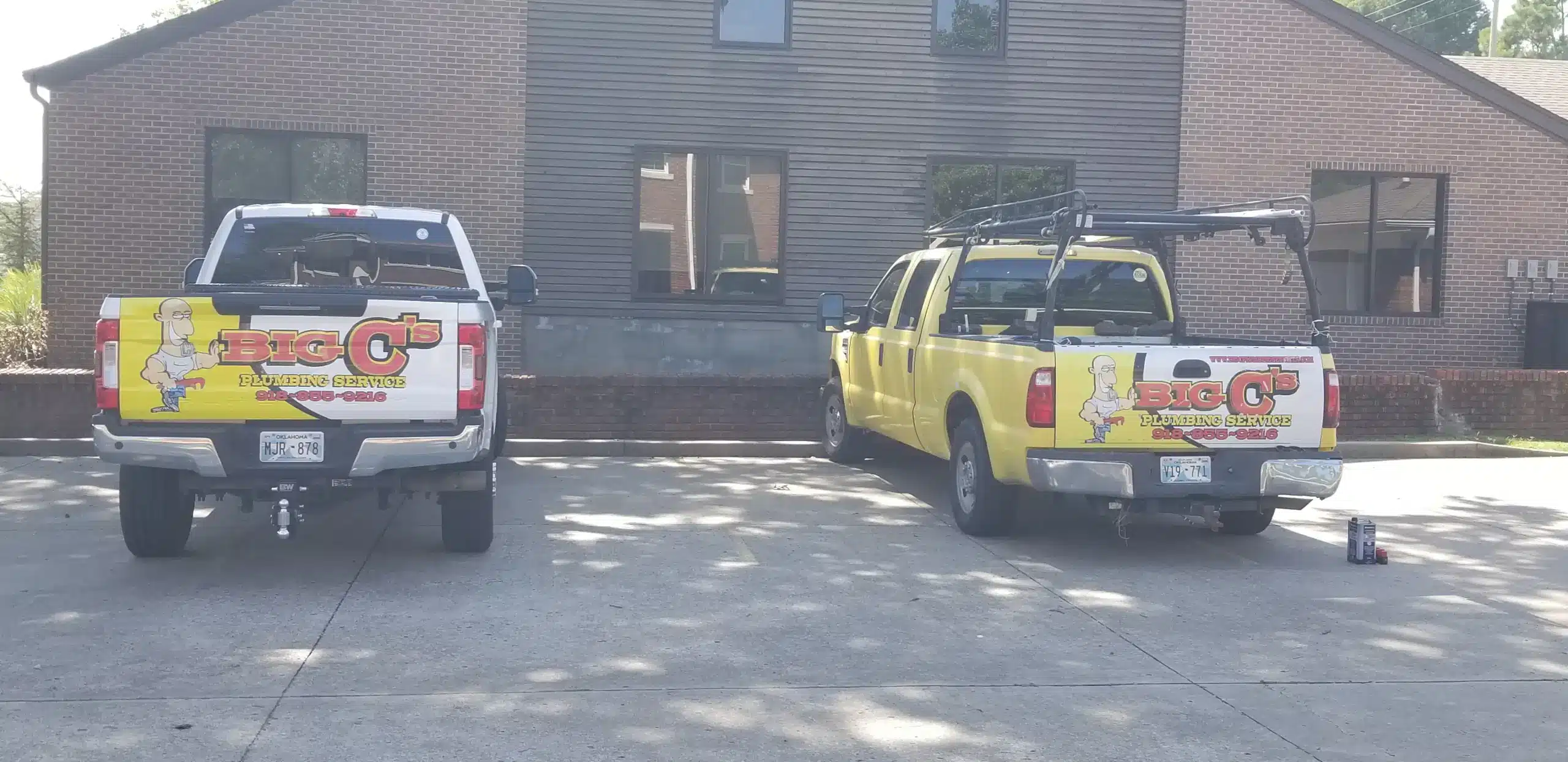
Stay Current with the Big C’s Plumbing Blog: South Tulsa Plumbing Tips That Actually Apply
The plumbing challenges Tulsa homeowners deal with are not the same ones covered in articles written for a national audience. A plumbing blog written for Minnesota focuses on frozen pipes all winter. One written for Houston covers humidity and root intrusion.
The Big C’s plumbing blog focuses on what south Tulsa homes actually experience: clay soil movement that stresses slab plumbing through every seasonal cycle, summer heat that accelerates water heater anode rod corrosion faster than the manufacturer’s maintenance schedule accounts for, Tulsa area water mineral content that scales inside tankless systems at a rate local to this market, and the specific construction patterns of south Tulsa residential builds that determine where pipe failures tend to show up first. These are not plumbing tips assembled from research. They come from the jobs.
New posts to this plumbing blog are added regularly covering what this crew encounters in the field across Tulsa, Broken Arrow, Bixby, Jenks, Glenpool, Sapulpa, and Coweta. Upcoming posts will cover how to read your water meter for a slow hidden leak, what a sewer camera inspection reveals in a south Tulsa home built before 1985, how to evaluate a Navien tankless installation proposal for your specific household size and water usage, and why the hydrostatic pressure test your foundation company mentioned is a separate licensed plumbing service with its own certification process.
For homeowners who want to go deeper on Oklahoma water quality and how Tulsa area mineral content affects plumbing and appliance longevity, the Oklahoma Water Resources Board publishes regional water quality data and conservation reports that give real context to what this plumbing blog covers at the practical level.
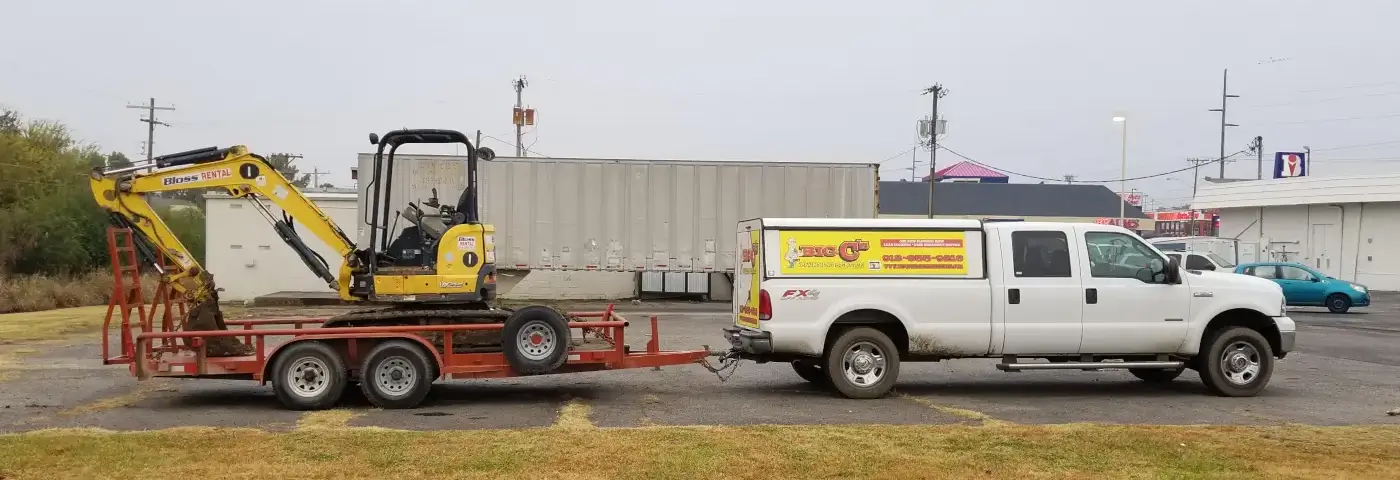
South Tulsa Plumbing Questions Answered in This Blog
The plumbing questions south Tulsa homeowners ask most often are shaped by Oklahoma soil conditions, local building practices, Tulsa water chemistry, and services that are specific to this market. They are not the same questions a Denver or Atlanta homeowner types into a search engine. This plumbing blog exists to answer the Tulsa-specific ones directly, with plumbing tips and articles drawn from three decades of active job experience across Bixby, Broken Arrow, Jenks, Tulsa, and the surrounding south metro.
Reading this plumbing blog consistently helps you recognize problems earlier, understand what a repair actually involves before you agree to it, and know when a situation calls for specialized acoustic detection equipment versus a standard service call. From finding a licensed plumber in your area to understanding why your slab-built home carries a higher baseline leak risk than a crawl space property, the plumbing articles here give you the context to make smarter decisions about the largest mechanical system in your house.
Below are the south Tulsa plumbing questions this blog addresses most. If your situation is not covered yet, call (918) 218-2224. Chris Ogan will give you a straight answer and point you to the right plumbing tips or service for what you are dealing with.
What causes slab leaks in Tulsa and south Oklahoma homes?
The primary cause of slab leaks in the Tulsa metro is Oklahoma’s expansive clay soil, which absorbs moisture and swells during wet seasons then contracts and shifts in dry heat. That repeated movement applies continuous stress to the copper supply lines and PVC drain pipes running through and beneath concrete foundations. Over time, pipe walls thin, joints shift, and pinhole leaks develop. South Tulsa homes in Bixby, Broken Arrow, and Jenks sit on some of the most active clay soil in the region. This plumbing blog covers slab leak warning signs, acoustic detection, and repair decisions in multiple articles.
How do I know if my home needs hydrostatic pressure testing before foundation repair?
Oklahoma law requires a licensed plumber to perform a hydrostatic pressure test on your drain system before a foundation repair company begins piering work, and again after piering is complete to certify the drain lines held through the process. If your foundation company has not mentioned this requirement, ask them directly before signing anything. Big C’s Plumbing performs this test regularly across the south Tulsa metro and provides the required certification. Plumbing articles covering the full hydrostatic testing process are among the most visited posts in this blog because most homeowners have never heard of this requirement until their foundation company mentions it.
What are the signs of a water leak I cannot see in my Tulsa home?
The most reliable early signals of a hidden water leak include a water bill that rises without any change in usage, warm or soft spots on a concrete or tile floor, the faint sound of running water when every fixture in the house is off, and a water meter that continues moving after all water use stops. Slab leaks and wall leaks in south Tulsa homes often go undetected for weeks because the water moves inside concrete or behind drywall before it reaches a visible surface.
These plumbing tips for catching hidden leaks early are covered in detail in multiple articles in this blog because early detection is consistently the difference between a repair call and a major renovation.
How long do water heaters typically last in the Tulsa metro?
Standard tank water heaters in the Tulsa area typically last 8 to 12 years, though Tulsa’s water mineral content can shorten that range by two to three years in homes that skip annual flushing and anode rod checks. Hard water scale builds on heating elements and inside tank walls, forcing the unit to work harder over time. Navien tankless systems, which Big C’s installs as the primary recommendation for south Tulsa homes, require descaling maintenance calibrated to Tulsa water chemistry but deliver significantly longer service life when that maintenance is kept current. Plumbing articles on water heater repair versus replacement decisions are covered throughout this blog.
What is the difference between a sewer camera inspection and hydrostatic pressure testing?
A sewer camera inspection sends a Spartan Tool camera through the drain line to visually identify blockages, root intrusion, cracks, pipe offsets, or collapse points inside the line. It shows you what the pipe looks like from the inside. Hydrostatic pressure testing fills the drain system with water and monitors whether the water level holds, which confirms whether any part of the system is leaking without showing precisely where the leak originates. The two tests answer different questions and are often performed together on south Tulsa properties where slab conditions make both drain integrity and line condition relevant. These plumbing articles cover both processes in plain terms so homeowners understand what they are paying for before work begins.
Why do plumbing systems fail faster in south Tulsa than national averages suggest?
Three factors accelerate plumbing wear in this market beyond what national maintenance guides account for. Oklahoma clay soil movement continuously stresses underground and under-slab pipes through seasonal expansion and contraction cycles. Tulsa area water carries higher mineral content than many markets, which affects water heater longevity, tankless system scaling rates, and fixture corrosion over time. And the high proportion of slab-built homes across Bixby, Broken Arrow, and south Tulsa means more of the plumbing is embedded in or directly beneath concrete rather than accessible in a crawl space.
A maintenance schedule built for a Seattle or Denver home does not transfer cleanly to a south Tulsa property. These are the plumbing tips this blog focuses on specifically because the local variables matter.
How do I decide between repairing a slab leak and repiping my Bixby or Broken Arrow home?
The decision between repairing a single slab leak and repiping the full system depends on pipe material age, prior leak history, and what a camera inspection and leak detection assessment reveal about overall pipe condition. A copper system installed in the 1970s or 1980s in a south Tulsa slab home that has already had one or two repairs is typically a repiping candidate. The pipe wall condition throughout the system tells you whether the next leak is a matter of when rather than if. These plumbing articles walk through the decision in plain terms so you go into that conversation with a contractor already knowing what questions to ask and what answers to expect.
What annual plumbing maintenance should every south Tulsa homeowner complete?
South Tulsa homeowners should flush the water heater annually to clear sediment and inspect the pressure relief valve, check exposed pipes under sinks and in garages for early corrosion, run water through infrequently used drains to prevent trap evaporation, and have a sewer camera inspection performed on any home over 20 years old that has never had one done. For Bixby, Broken Arrow, and Jenks properties on active clay soil, a periodic under-slab acoustic leak check is a worthwhile investment before a slow pinhole becomes a slab repair call. Every one of these plumbing tips is covered in full detail across the plumbing articles in this blog.